How to read cosmetics ingredients without panicking: analysing ‘scary’ ingredients and comparing creams
Cosmetic ingredients often look like a bunch of incomprehensible letters: Phenoxyethanol, Cyclopentasiloxane, Isopropyl Myristate. This makes you less inclined to read the label and more inclined to rely on the appearance of the jar and advertising materials in the shop, on social media and on the website. In fact, INCI is simply a standardised language: all ingredients have an international name, and the order in the list helps you understand what in the jar really works and what is there ‘for texture’.
The purpose of this article is to show you how to read the composition of cosmetics (INCI), distinguish truly problematic ingredients from myths, understand ‘bad’ names, and compare the formulas of ED Cosmetics, mass market and ‘exclusive’ brands.
How the INCI list of ingredients is organised
INCI (International Nomenclature of Cosmetic Ingredients) is a list of all the components in a product that must be on the packaging.
The main rules you need to know:
Ingredients are listed in descending order of concentration to a level of approximately 1%. This means that the first ingredients are the most abundant. Further down the list, the manufacturer can change the order, as these are already ‘small doses’.
The first 5-7 items make up the ‘body’ of the formula: water/solvents (Aqua), moisturisers (Glycerin), emollients (various oils, esters), surfactants in cleansers.
Active ingredients (Niacinamide, Panthenol, Sodium Hyaluronate, Peptides) often work in concentrations of <1%, so they may be closer to the end of the list — this is normal and does not mean that the component is in a minimal dose.
At the end of the list are usually: preservatives, antioxidants, fragrances, colourants.
If you know how to read the INCI list, evaluate the first 5–7 items and find your target active ingredients, complex terms become understandable.
‘Bad’ ingredients: what might be suspicious in cosmetics
Social media and reviews often mention certain groups of ingredients that users consider dangerous or ‘bad.’ However, reactions to different ingredients are always individual, and there are certain groups that you should pay attention to if your skin has specific characteristics.
1. Comedogenic ingredients
People prone to acne often avoid ingredients with high comedogenic potential. The most common blacklisted ingredients are:
- Isopropyl Myristate
- Isopropyl Palmitate
- Ethylhexyl Palmitate
- Myristyl Myristate
- some natural oils (e.g. Cocos Nucifera Oil, Theobroma Cacao Seed Butter, Lanolin).
It is important to understand that an ingredient from the ‘comedogenic lists’ does not in itself guarantee a rash, as the risk depends on skin type, the overall formula, and the presence of several similar components in the composition at the same time.
2. Natural but reactive ingredients
- Essential Oils (Lavandula, Citrus, Mentha, etc.);
- strong fragrances (Parfum/Fragrance with a high allergen content);
- certain plant extracts and enzymes;
- popular but not universally friendly active ingredients (Niacinamide, AHA/BHA, Retinoids, Tea Tree Oil).
These ingredients are harmful to some people and neutral to others. If you know your triggers, look for them in the INCI.
3. Substances with regulatory restrictions
This is no longer about individual reactions, but about ingredients that are restricted or banned in certain regions (e.g. the EU), but may still be found in cosmetics in other markets.
Examples of groups of ingredients banned in the EU:
- Some ‘second-line’ parabens: Isopropylparaben, Isobutylparaben, Phenylparaben, Benzylparaben, Pentylparaben — banned in the EU, while Methylparaben and Ethylparaben are permitted but with restrictions.
- Antioxidants/preservatives BHA (Butylated Hydroxyanisole) and BHT (Butylated Hydroxytoluene) — restricted or banned in a number of regions due to concerns about carcinogenicity and endocrine disruption.
- Triclosan / Triclocarban, some obsolete UV filters, some dyes and aromatic compounds — these are subject to strict limits or a complete ban in the EU.
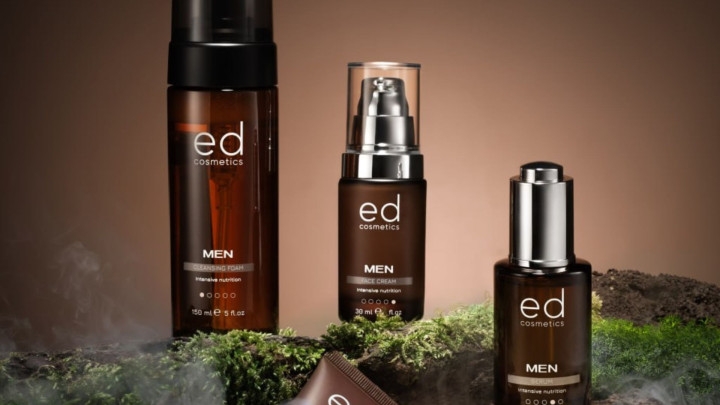
ED Cosmetics is an EU-certified brand, so our formulas do not contain harmful substances. In addition, we develop all our products in our own laboratories and test them in stages. All ingredients are listed on our website and packaging so that you can choose cosmetics that suit your needs without any risks.
How to analyse the composition of any cosmetic product using examples
For the sake of experiment, let's take three moisturising creams from different brands and analyse their composition.
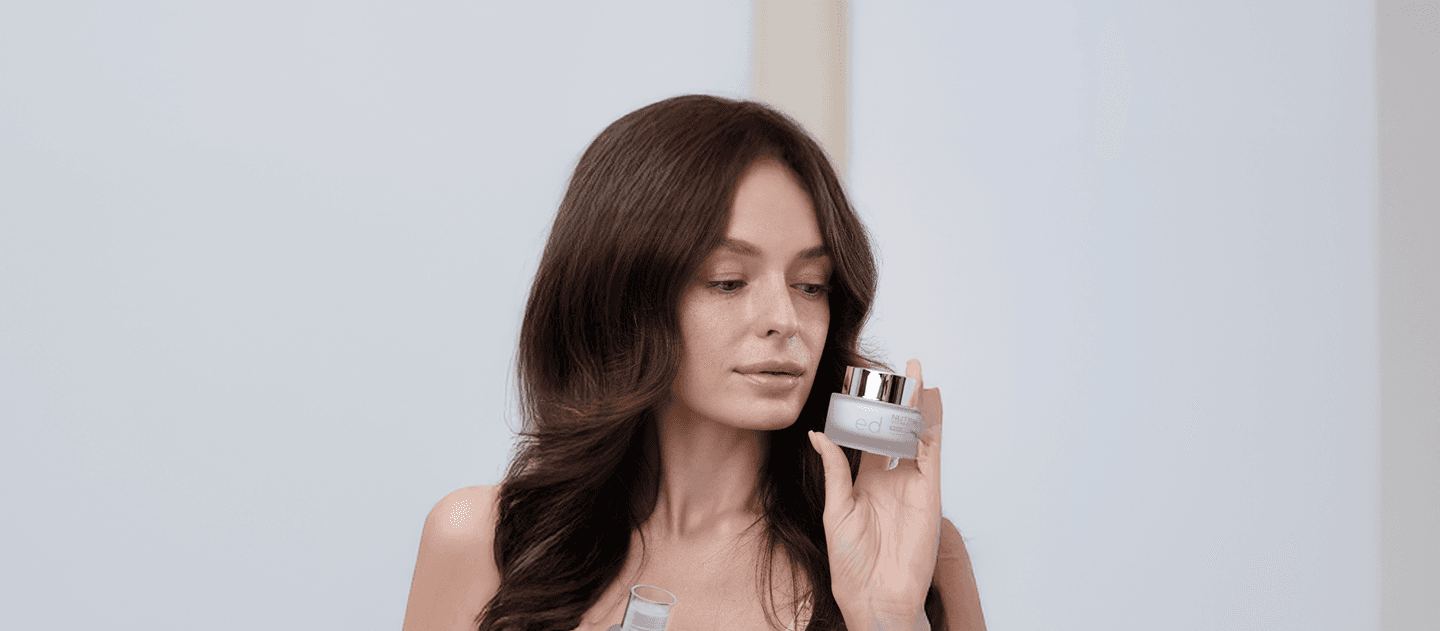
1. ED Cosmetics HydraED Face Cream - effective skin care that combines intense moisturisation and protection.
INCI:
Aqua, Glycerin, Coco-Caprylate, Caprylic/Capric Triglyceride, Cetearyl Alcohol, Glyceryl Stearate, Caprylyl–Caprylate/Caprate, Passiflora Incarnata Seed Oil, Butyrospermum Parkii (Shea) Butter, Tocopheryl Acetate, Glyceryl Polyacrylate, Trehalose, Urea, Serine, Pentylene Glycol, Algin, Caprylyl Glycol, Sodium Hyaluronate, Pullulan, Disodium Phosphate, Potassium Phosphate, Perfume, Phenoxyethanol, Disodium Cetearyl Sulfosuccinate, Sodium Polyacrylate, Xanthan Gum, L-arginine.
What each ingredient does:
Aqua: the base of any cream, a solvent.
Glycerin: a classic humectant, helps the skin attract and retain water.
Coco-Caprylate, Caprylic/Capric Triglyceride, Cetearyl Alcohol, Glyceryl Stearate: soft emollients, create a ‘silky’ feeling and soften.
Passiflora Incarnata Seed Oil, Shea Butter: nourish and support the barrier, suitable even for sensitive skin.
Tocopheryl Acetate: a form of vitamin E — an antioxidant.
Glyceryl Polyacrylate, Xanthan Gum, Sodium Polyacrylate: retain moisture and form consistency.
Trehalose, Urea, Serine: natural physiological moisturisers (Natural Moisturising Factor).
Algin, Pullulan: polymers for smoothness, light tightening and anti-ageing effect.
Pentylene Glycol, Caprylyl Glycol: maintain moisture, prevent bacterial growth, delicate preservation.
Sodium Hyaluronate: a form of hyaluronic acid — deep moisturising, elasticity.
Parfum, Phenoxyethanol: fragrance and classic preservative for safe use.
L-arginine, phosphates: pH balance, anti-stress for the skin.
The advantage of the cream is that it contains many physiological moisturisers, which prevent dryness and irritation. The formula is balanced for sensitive and combination skin, with a light texture. The disadvantage may be the perfume and potential allergy to Shea Butter.
2. Garnier Hyaluronic Aloe Cream - a mass-market cream that claims 48 hours of hydration thanks to hyaluronic acid and natural ingredients.
INCI:
Aqua/Water, Butyrospermum Parkii Butter/Shea Butter, Glycerin, Caprylic/Capric Triglyceride, Dicaprylyl Ether, Alcohol Denat., Zea Mays Starch/Corn Starch, Stearyl Alcohol, Glycine Soja Oil/Soybean Oil, Aloe Barbadensis Leaf Juice Powder, Vitis Vinifera Fruit Water/Grape Fruit Water, Stearic Acid, Carbomer, Sodium Hyaluronate, Sodium Hydroxide, Sodium Phytate, Myristic Acid, Palmitic Acid, Caprylyl Glycol, Citric Acid, Xanthan Gum, Tocopherol, Salicylic Acid, Parfum/Fragrance.
What each ingredient does:
Aqua, Glycerin, Caprylic/Capric Triglyceride, Shea Butter: a moisturising base, a classic for the mass market. Shea butter is in second place and can be heavy.
Dicaprylyl Ether, Stearyl Alcohol: texture formers, provide ‘lightness’ and distribution.
Alcohol Denat.: solvent and preservative — can dry and irritate, as it is high in the list of ingredients.
Soybean Oil, Aloe Juice: plant ingredients for additional moisturising, marked for marketing purposes.
Vitis Vinifera Fruit Water: antioxidant, a nice bonus.
Sodium Hyaluronate: a modern moisturiser, but it is in the middle of the list.
Tocopherol: vitamin E, antioxidant.
Salicylic Acid, Citric Acid: light exfoliation, pH regulation, but not necessary in a moisturising cream.
Carbomer, Xanthan Gum: thickeners, form the texture.
Parfum: fragrance.
The advantages of the cream are its availability and versatility on the market.
The disadvantage is the presence of Alcohol Denat. It is quite high (can dry out sensitive skin), and the concentration of active ingredients does not fully correspond to the marketing claims regarding effectiveness.
3. La Mer Crème de la Mer Moisturising Cream is a well-known luxury cream that also has a moisturising function. As always, there are two camps: some say that the composition is unique and effective, while others say that it is a waste of money. Let's take a closer look:
INCI:
Algae (Seaweed) Extract, Mineral Oil (Paraffinum Liquidum, Huile Minerale), Petrolatum, Glycerin, Isohexadecane, Microcrystalline Wax (Cera Microcristallina, Cire Microcristalline), Lanolin Alcohol, Citrus Aurantifolia (Lime) Extract, Sesamum Indicum (Sesame) Seed Oil, Eucalyptus Globulus (Eucalyptus) Leaf Oil, Sesamum Indicum (Sesame) Seed Powder, Medicago Sativa (Alfalfa) Seed Powder, Helianthus Annuus (Sunflower) Seedcake, Tocopheryl Succinate, Niacin, Water (Aqua), Beta-Carotene, Decyl Oleate, Aluminium Distearate, Octyldodecanol, Citric Acid, Cyanocobalamin, Magnesium Stearate, Panthenol, Limonene, Geraniol, Linalool, Hydroxycitronellal, Citronellol, Benzyl Salicylate, Citral, Sodium Benzoate, Alcohol Denat., Fragrance (Parfum).
What each ingredient does:
Algae Extract (Miracle Broth): antioxidant, the brand's ‘legend’, stimulates regeneration.
Mineral Oil, Petrolatum: dense occlusives, retain moisture and protect.
Glycerin: a classic hydrator.
Isohexadecane, Microcrystalline Wax, Lanolin Alcohol: emollients and texture components.
Citrus, Sesame, Eucalyptus Extracts, Sunflower: additional oils and extracts for silkiness and care.
Tocopheryl Succinate, Niacin, Beta-Carotene, Panthenol, Cyanocobalamin: a mix of antioxidants and vitamins.
Decyl Oleate, Aluminium Stearate, Octyldodecanol, Magnesium Stearate: texture enhancers.
Fragrance (Parfum), Alcohol Denat.: fragrance and preservation, may irritate sensitive skin.
Perfume allergens (Geraniol, Limonene, etc.): may cause reactions.
Pros and cons:
Very dense protection for dry or mature skin, suitable as a ‘barrier cream’ for difficult weather or stressful periods. Cons: dense base — not for oily/problematic skin, several potential allergens and colourants, and the main effect is comfort and protection, not ‘innovative’ moisturising/rejuvenation.
Is it a good barrier cream? Yes, it's great. Will it have the claimed anti-ageing effect? Perhaps, if used systematically and combined with other active ingredients. Is it overrated? Only users can say, but the price is part of this product's positioning.
Additional resources for analysing the composition of cosmetics
If analysing ingredients and components is still not a very pleasant task for you, you can try resources that make it easier to find the right composition. For example, you can find websites where products are sorted by ingredients, or where you can highlight dangerous ingredients by copying the composition.
INCI has its own decoder, where you can filter by component and read about that component in scientific studies. However, this is an English-language resource. There are also mobile apps that can scan the ingredients when you are in a shop, such as INCI Beauty. However, the founders of ED Cosmetics advise not to rush into a choice and to look at the ingredients in more detail at home, read user reviews, pay attention to reviews of the texture and smell, and only then choose safe and effective cosmetics.