
Skincare After the Sea, Pool, and Hard Water: How to Restore Skin Comfort and Balance
At first, the skin may seem cleansed, smoother, and improved, but after some time dryness and tightness appear — a common experience after a summer holiday by the sea. How can the same water seem to improve the skin’s condition at first and then cause discomfort later? In reality, seawater neither heals nor damages the skin on its own — it triggers physiological processes that can lead to completely different reactions depending on the duration of exposure, skin type, and post-swimming care.
Pool water works a little differently: due to its chlorine content, it oxidizes the skin’s lipid layer, gradually weakening its natural protective barrier. As a result, the skin may become drier, more sensitive, and feel tight even after a short swim. This effect is especially noticeable with regular pool visits or when the skin is not properly cleansed and moisturized after swimming.
So, let’s take a closer look at how to quickly restore softness, hydration, and a healthy appearance to the skin after summer swimming.

What Happens to the Skin After Swimming in the Sea or Pool?
It is important to understand that the skin does not have one universal reaction to water. Its condition after swimming depends on many factors: the type of water, duration of contact, individual sensitivity, and other factors.
How to Restore Skin Comfort?
Step 1. Cleansing Immediately After Swimming
The most important rule is — do not leave salt or chlorine on the skin for too long.
After swimming in the sea or pool:
- always take a shower;
- use a gentle cleansing gel without harsh surfactants;
- avoid very hot water (it increases dryness).
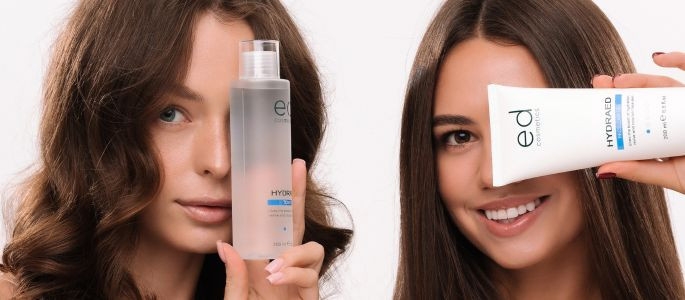
The goal is to gently remove traces of salt, chlorine, and minerals without further damaging the skin barrier. The optimal choice is the ED Cosmetics moisturizing micellar gel, which does not contain soap, dyes, or parabens and is suitable for all skin types, including sensitive skin.
Step 2. Intensive Hydration
To compensate for moisture loss caused by the osmotic effect of salt and the action of chlorine, an SOS recovery routine should include:
- Hyaluronic acid — found in a lightweight moisturizing cream or fluid to help retain water in the epidermis.
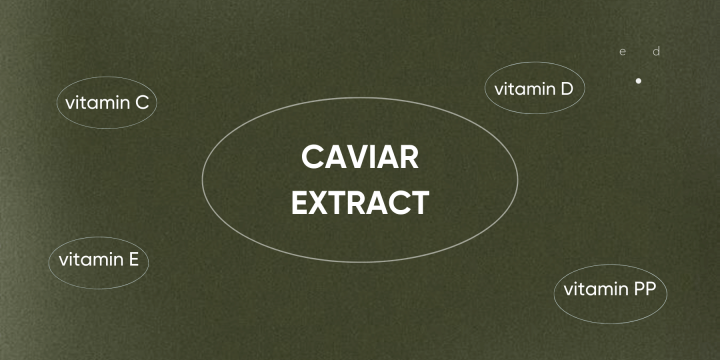
- Antioxidants and amino acids — for example, the nourishing black caviar extract mask from ED Cosmetics, which helps restore the cells’ energy potential after UV exposure.
- Low-molecular-weight moisturizers for the delicate eye area.
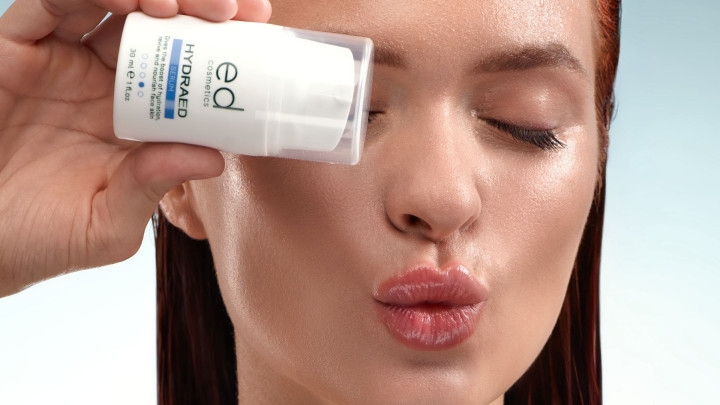
Apply skincare products immediately after cleansing your skin at home.
Step 3. Skin Barrier Restoration
Salt and chlorine often weaken the skin’s protective barrier. Therefore, the skin needs ingredients that help restore and strengthen it:
- ceramides;
- vitamins;
- natural oils;
- soothing extracts (aloe, centella).
A vitamin C cream provides antioxidant protection, helps reduce skin sensitivity, and relieves the feeling of tightness.
Remember
A few simple steps can help reduce the negative effects of seawater or pool water and improve the condition of your skin:
- Do not let saltwater or chlorinated water dry on your skin.
- Always take a shower after swimming in the sea.
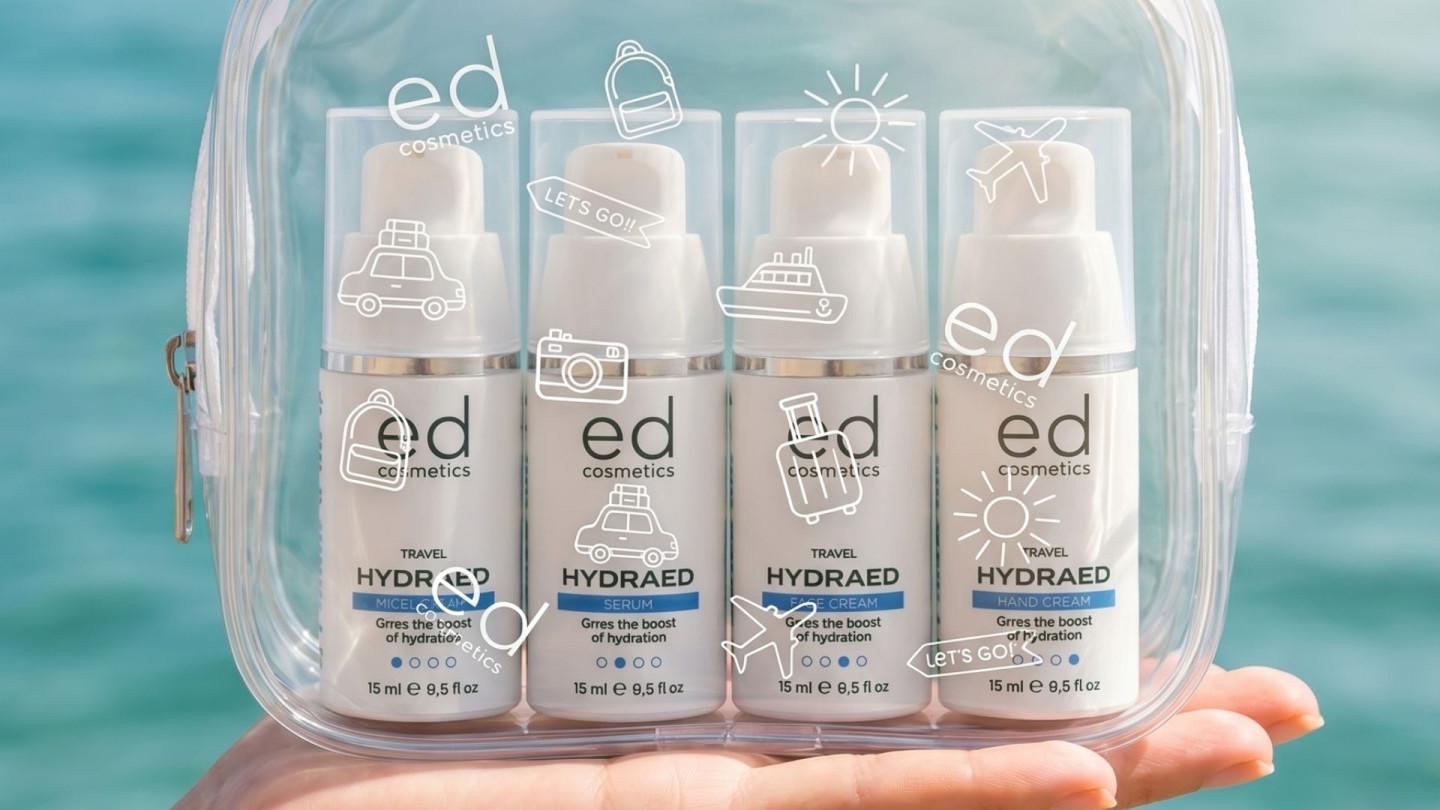
- Take a basic moisturizing cream with you when traveling. You can read more about how to build a basic summer skincare routine in the article.
- Drink enough water, as hydration also affects your skin’s condition.
- Every few days, provide deeper hydration with a moisturizing mask.
The sea and swimming pools do not harm the skin by themselves — the problem is that proper aftercare is often missing. A dermatological approach to skin recovery after summer holidays is based on a three-step system implemented in ED Cosmetics product lines:
gentle cleansing → intensive hydration → restoration of the protective skin barrier.
May your holiday leave behind no dryness or discomfort — only pleasant memories, smiles, and healthy, soft skin.

Questions and Answers
What should you do if your skin gets sunburned after a day at the beach?
The best solution is to take a cool shower immediately, avoiding sudden temperature changes, to help lower the skin temperature. Afterwards, it is important to avoid anything that could further irritate the skin’s surface: scrubs, acids, alcohol-based toners, or heavy active creams.
Instead, choose lightweight moisturizing textures that quickly soothe the skin without overloading it. It is better to use gentle ED Cosmetics moisturizing products without harsh ingredients.
Why does irritation and itching appear after swimming in the sea?
After swimming in the sea, the skin can react in different ways, and mild irritation or itching is quite common, especially if the skin is sensitive or dehydrated.
This happens because salt remaining on the skin’s surface begins to draw out moisture, making the outer layer more vulnerable. Irritation can also be intensified by friction from sand, swimsuit fabric, or the skin’s natural response to a change in environment.
In such cases, it is important not to let seawater dry on the body, but to rinse it off under the shower as soon as possible.
Does drinking water affect the condition of the skin after swimming in the sea or pool?
Yes, and this factor is often underestimated. When the body does not receive enough water, the skin regenerates more slowly, becomes drier, and loses elasticity.
After active holidays, when the skin has already lost some moisture due to sun exposure, salt, or chlorine, maintaining proper hydration from within becomes especially important.